ADU & DADU Regulations in Bellingham: A Homeowner’s Guide to Adding Space
ADU & DADU Regulations in Bellingham: A Homeowner’s Guide to Adding Space and Navigating Permits
By Kevin Greer, Diamond Construction
Accessory Dwelling Units (ADUs) and Detached Accessory Dwelling Units (DADUs) are gaining popularity among homeowners as viable solutions for creating additional living space. In Bellingham, understanding the local regulations governing these structures is crucial for successful implementation. This guide provides insights into zoning laws, the permit application process, and cost estimates associated with ADU and DADU projects. Homeowners will discover how to navigate the city’s requirements effectively, ensuring that their new living spaces meet local compliance standards while enhancing property value.
Bellingham’s zoning laws dictate the size and placement of ADUs and DADUs, making it essential for homeowners to familiarize themselves with the specific requirements. Additionally, the permit application process can be daunting, but knowing the necessary steps and documents can simplify it greatly. This article outlines key considerations, helping homeowners make informed decisions throughout the construction process.
What Are the Key Bellingham Zoning Rules for ADUs and DADUs?
Zoning regulations in Bellingham govern the construction and placement of ADUs and DADUs, ensuring they comply with community standards and maintain neighborhood character. Homeowners must understand these rules to ensure their projects meet all requirements and avoid potential penalties. The regulations typically cover definitions for ADUs and DADUs, size and placement restrictions, and compliance steps necessary for approval.
How Do Size and Placement Restrictions Affect Backyard Dwelling Projects?
Size and placement restrictions are critical factors affecting the feasibility of building ADUs and DADUs in Bellingham. Generally, the maximum allowable size for an ADU is 1,000 square feet, while a DADU can be no more than 1,000 square feet as well. Additionally, these structures often need to adhere to specific distance requirements from property lines—typically, a minimum of five feet. Property owners also have to consider environmental compliance, ensuring that the building site does not disrupt local ecosystems.
Which Property Types Qualify for ADU and DADU Construction in Bellingham?
Not all properties in Bellingham are eligible for ADU or DADU construction. Generally, residential properties zoned for single-family use are the primary candidates. Properties classified under the Single-Family Residential (RS) zoning district can accommodate ADUs or DADUs, whereas those under commercial or agricultural zoning may not qualify. It is crucial for homeowners to verify their zoning classification with Bellingham’s planning department to confirm eligibility before starting the design process.
What Is the Step-by-Step Permit Application Process for ADUs in Bellingham?

The permit application process for ADUs in Bellingham involves several necessary steps that homeowners must follow to gain approval. Understanding this process can lead to more efficient project timelines and fewer roadblocks. Homeowners should prepare by gathering required documentation and ensuring compliance with local regulations.
What Permits and Approvals Are Required for Building an ADU or DADU?
Building an ADU or DADU in Bellingham requires several permits and approvals. These typically include:
- Building Permit: Essential for construction work to ensure safety standards are met.
- Land Use Permit: Confirms the proposed structure complies with zoning regulations.
- Environmental Review: Evaluated to check how the project impacts local ecosystems.
Homeowners must submit these applications along with plans and supporting documents to the city.
How Can Homeowners Efficiently Navigate Bellingham’s Permit Procedures?
To streamline the permit process, homeowners should consider scheduling a pre-application meeting with city officials. This meeting can provide valuable insights into required documentation and potential challenges. It’s also beneficial for homeowners to prepare a thorough application package that includes site plans, elevation drawings, and details on how the ADU/DADU will comply with zoning laws.
How Much Does It Cost to Build an ADU or DADU in Bellingham in 2023?
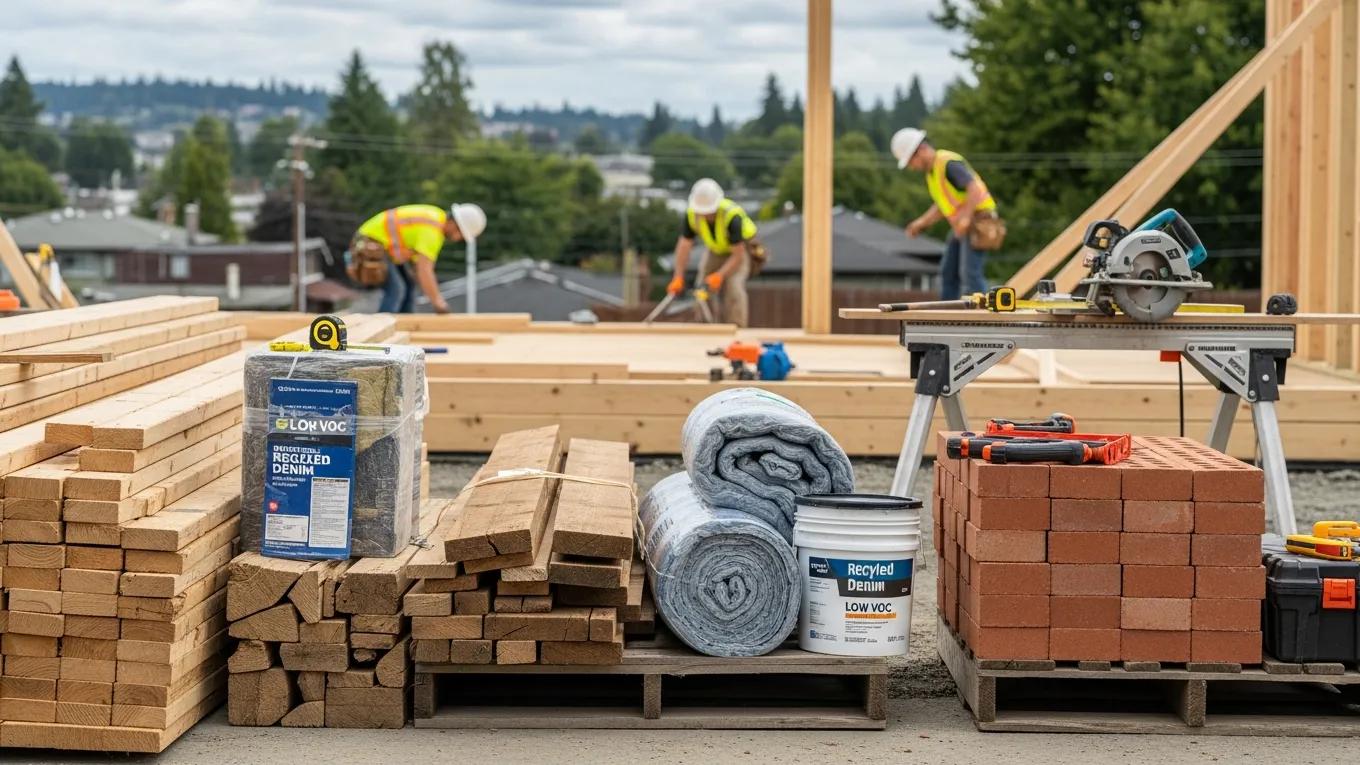
Understanding the costs involved in constructing an ADU or DADU is essential for budgeting effectively. Various factors can influence these costs, including design choices, construction materials, and site conditions.
What Are the Typical Construction Cost Estimates for Bellingham Backyard Dwellings?
In 2023, the average cost of building an ADU in Bellingham ranges from $150,000 to $250,000. This estimate accounts for basic construction costs but can increase significantly with custom designs or high-quality materials. DADUs may also incur similar costs, depending on the specifications and enhancements desired. Homeowners should plan for potential additional expenses related to permits and utility connections.
How Do Custom Design and Finish Options Impact ADU Project Budgets?
Custom design and finishing options can substantially affect overall project budgets. For instance, opting for high-end finishes or complex architectural designs can add thousands to the project’s total cost. Homeowners should carefully assess their desired outcome against their budget, considering how different materials and design choices can impact the overall financial investment.
What Financing Options Are Available for ADU and DADU Projects in Bellingham?
Financing an ADU or DADU can be challenging, but several options are available specifically for these projects. Homeowners should explore various financing solutions to meet their needs effectively.
Which Loan Types and Incentives Support Accessory Dwelling Construction?
Homeowners in Bellingham have access to various financing options, including:
- Home Equity Loans: Allow you to leverage your home’s equity for financing the ADU project.
- FHA 203(k) Loans: These loans can help with both the purchase and renovation costs of a property including ADUs.
- Local Grants: Certain programs may offer financial assistance for ADU construction as a means to increase affordable housing.
When considering these options, understanding the specific requirements for