


Site Selection and Lot Development for Luxury Homes
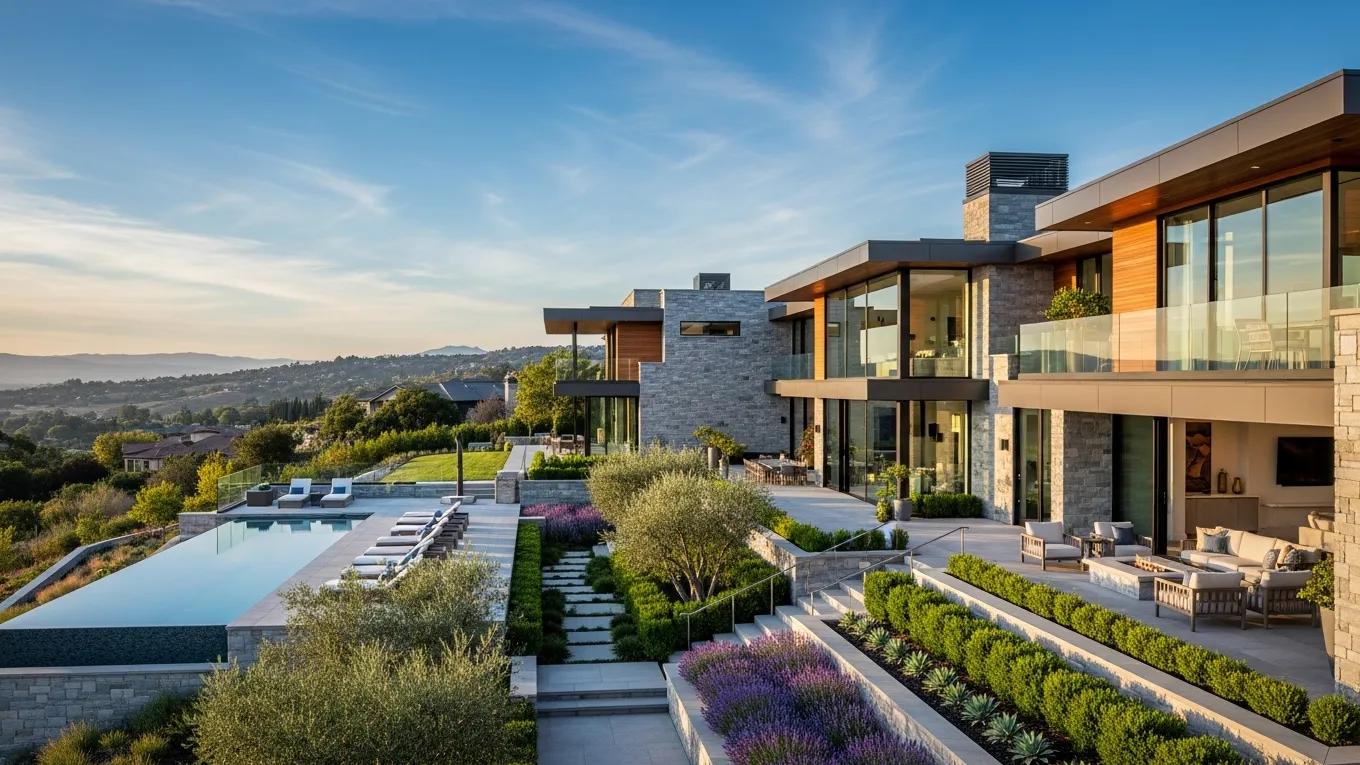
Custom Home Lot Analysis and Site Selection for Custom Craftsmen Homes: How to Choose and Develop the Perfect Residential Lot
By Kevin Greer, Diamond Construction & Remodel
Choosing the right lot determines design possibilities, costs, and long-term value for a custom-crafted home. This guide summarizes site selection and lot development—soil, topography, environmental and regulatory constraints—and shows how to align custom design with the land and owner goals.
Key Takeaways
- Assess lot size, shape, location and physical attributes to confirm build feasibility.
- Soil testing informs foundation type, drainage and septic suitability.
- Topography affects siting, views, slopes and orientation for daylight and privacy.
- Zoning and environmental rules set use limits, setbacks and permit needs.
- Environmental impact reviews protect habitats and water quality and guide mitigation.
- Integrate site analysis with design to use natural features and meet sustainability goals.
- Plan smart-home and energy wiring during site work to avoid costly retrofits.
- Lot prep — clearing, grading, utilities, drainage and terracing — readies the parcel for construction.
- Correct grading and careful clearing maintain soil stability and protect ecosystems.
What Are the Key Steps in Evaluating a Lot for Custom Craftsmen Home Construction?
Start by verifying size, shape and access, then confirm zoning and buildability so you understand value and constraints.
Key steps in the evaluation process include:
- Conducting a Lot Assessment: Review dimensions, slope, vegetation, access and utility availability.
- Performing Feasibility Studies: Check zoning, setbacks, easements, geotechnical and drainage feasibility.
- Consulting with Experts: Use architects, civil engineers and planners to translate site limits into workable designs.
How Does Soil Testing Impact Lot Feasibility and Development?
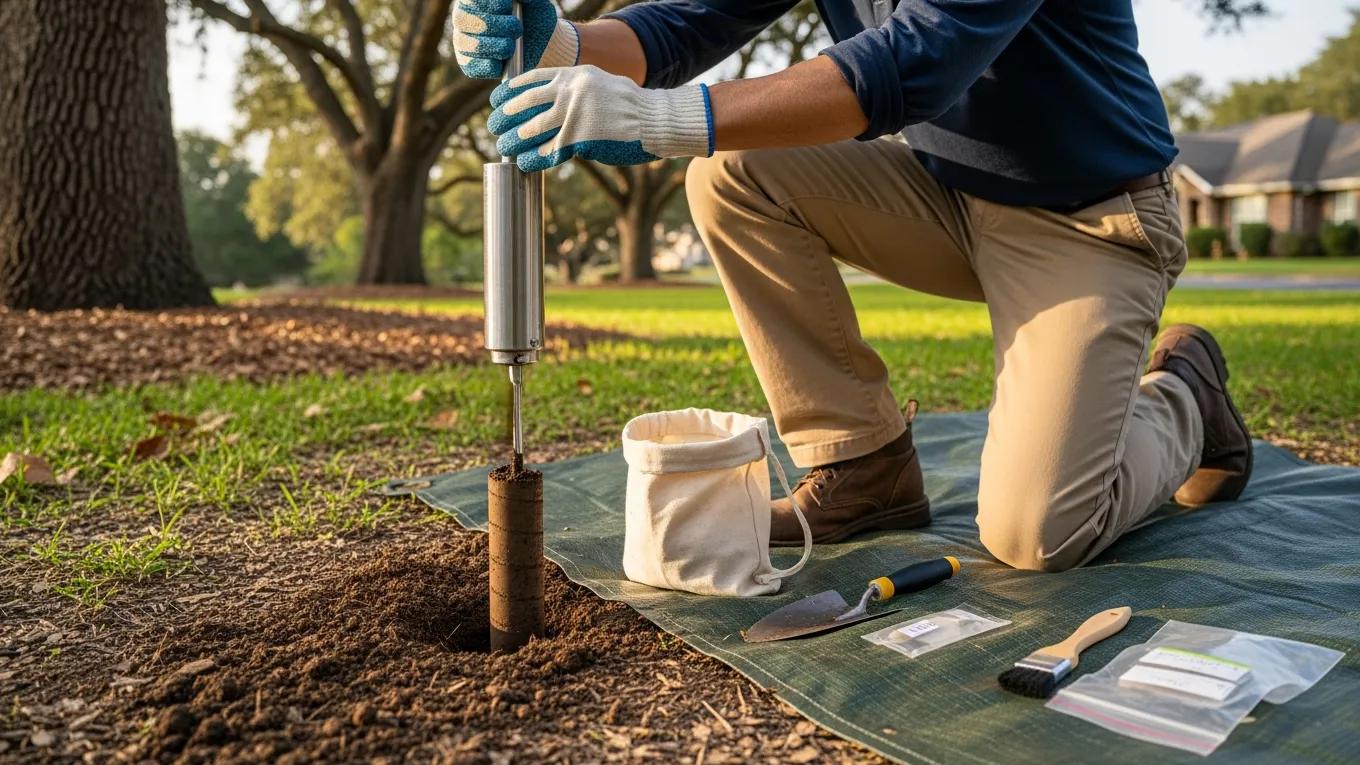
Soil tests confirm load-bearing capacity and drainage. Typical checks are:
- Soil Composition Analysis: Identifies soil types, permeability and bearing capacity to guide foundations and landscaping.
- Percolation Tests: Measure absorption for septic design or infiltration systems.
Results dictate foundation choices, grading needs and stormwater strategies to ensure long-term stability.
Why Is Topography Important in Custom Craftsmen Home Site Planning?
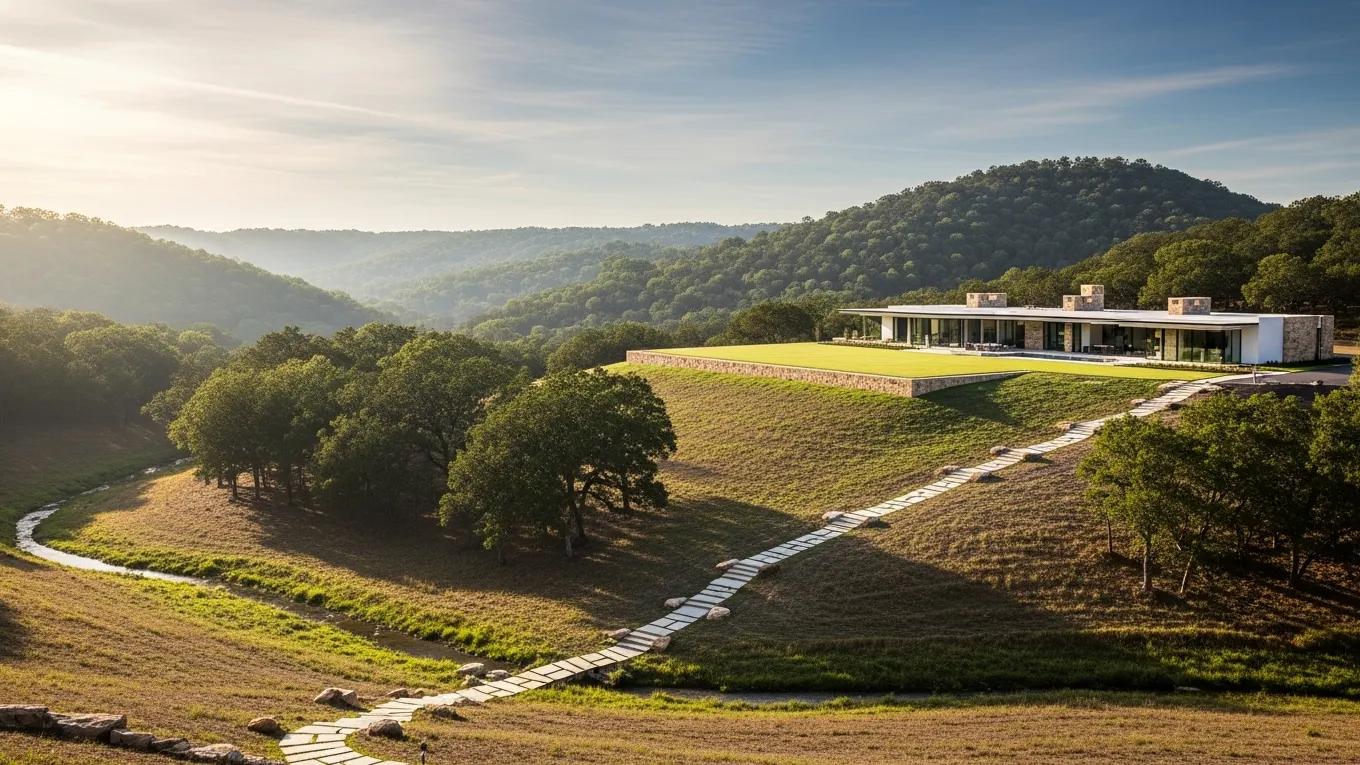
Topography governs building methods, view corridors and outdoor spaces. Key considerations:
- Elevation Changes: Steep sites may need retaining walls, piers or terracing; flat sites simplify construction.
- Views and Orientation: Positioning for views and solar access improves comfort and value.
Use the natural contours to reduce excavation, preserve landscape character and enhance design.
How Do Environmental and Regulatory Factors Affect Lot Development?
Regulations and environmental constraints shape scope, timing and cost. Identify restrictions early to plan mitigation and approvals.
Key environmental considerations include:
- Zoning Regulations: Define permitted uses, density, height limits and setbacks.
- Environmental Impact Assessments: Identify habitat, water and wetlands issues and required mitigation.
What Zoning Requirements Must Be Considered for Residential Lots?
Zoning varies by jurisdiction and can determine lot coverage, allowed building types and setbacks. Confirm classification, easements and any overlay districts that affect development.
- Residential Zoning Classifications: Influence density and allowable structures.
- Setback Requirements: Affect placement of the house, driveways and ancillary buildings.
Early code review prevents redesigns and speeds permitting.
How Do Environmental Impact Assessments Influence Site Selection?
EIAs reveal sensitive areas and required protections. Typical elements include:
- Wildlife Studies: Check for protected species, nesting or migration corridors.
- Water Quality Assessments: Ensure construction avoids contaminating waterways or groundwater.
Addressing EIA findings in design reduces delays and supports sustainable outcomes.
How Can Site Selection Be Integrated with Custom Home Design?
Design from the ground up: let site constraints and opportunities shape massing, orientation and materials to reduce site work and enhance the home.
Key practices for successful integration include:
- Designing for the Landscape: Fit the house to contours and preserve meaningful vegetation or rock features.
- Incorporating Sustainable Practices: Specify durable materials, efficient systems and passive strategies to lower lifetime impacts.
What Are Best Practices for Aligning Lot Characteristics with Home Architecture?
Focus on daylight, privacy and usable outdoor space:
- Maximizing Natural Light: Orient living areas and windows for sun and views while considering seasonal performance.
- Creating Outdoor Living Areas: Integrate patios, terraces and gardens with grade and circulation.
Thoughtful siting improves livability and resale value.
How Does Site Planning Incorporate Smart Home Infrastructure?
Plan low-voltage and energy systems during site work to avoid costly retrofits and to optimise performance.
- Pre-Wiring for Technology: Include pathways for security, AV, communications and EV charging.
- Energy Management Systems: Locate panels, meter banks and renewable systems for efficient operation.
Coordinating MEP and landscape work prevents conflicts and supports smart, energy-efficient operation.
What Are Effective Strategies for Residential Lot Preparation and Development?
Lot preparation must protect soil and water while creating a stable building platform.
- Clearing and Grading: Remove only what’s necessary, protect root zones and grade for stable foundations and positive drainage.
- Infrastructure Development: Install utilities, access and drainage before heavy construction to limit rework.
Which Land Development Techniques Optimize Custom Craftsmen Home Sites?
Use targeted techniques to make sloped or constrained lots buildable:
- Terracing: Create level building pads and usable outdoor areas while controlling erosion.
- Drainage Solutions: Design swales, French drains and detention as part of a site-wide stormwater strategy.
Integrate landscaping to stabilize slopes and enhance privacy.
How Is Lot Grading and Clearing Managed for Custom Craftsmen Homes?
Careful phasing and environmental protection preserve site value:
- Environmental Protection: Follow erosion-control best practices and avoid disturbing sensitive areas.
- Soil Stability: Use engineered grading and revegetation to prevent erosion and settlement.
Good management lowers risk and supports a durable build platform.
Frequently Asked Questions
What factors should I consider when choosing a custom-crafted home lot?
Consider location, size, shape, access, neighbourhood character and nearby amenities, then verify soil, topography and regulatory constraints to ensure the lot meets lifestyle and investment goals.
How can I ensure my custom-crafted home is environmentally sustainable?
Start with an EIA, select efficient systems and durable materials, use appropriate landscaping, and plan renewables and smart controls to reduce energy use and lifecycle impact.
What role do local building codes play in custom craftsman home construction?
Codes set minimum safety, structural and energy standards. Early engagement with permitting authorities and code review prevents costly redesigns and speeds approvals.
How can I effectively prepare my lot for construction?
Clear selectively, grade for drainage and foundation stability, and install utilities and access. Use qualified contractors to sequence work and protect the site.
What are the benefits of hiring professionals for lot evaluation and development?
Professionals provide expertise on zoning, geotech, drainage and design integration, identify risks early and propose cost‑effective solutions that meet goals and regulations.
How does the orientation of a lot affect home design?
Orientation influences daylight, views and energy performance. Proper siting reduces heating/cooling loads and enhances indoor comfort and outdoor usability.
What are the common challenges faced during custom craftsman home lot development?
Typical issues include zoning limits, environmental constraints, poor soils and drainage challenges. Contingency planning and experienced consultants reduce surprises and cost overruns.