

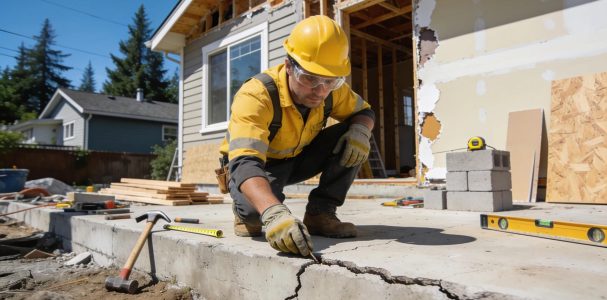
By Kevin Greer, Diamond Construction and Remodel
“Structural home repair” and foundation reinforcement are vital to maintaining the safety and longevity of houses in Bellingham and the broader Whatcom County area. These services not only provide essential support to your home’s architecture but also enhance its value over time. Many homeowners face issues like foundation cracks, moisture infiltration, or load-bearing wall instability, all of which can lead to significant problems if left unaddressed. This article will explore expert techniques for structural repair, the services offered in Bellingham, materials used in the processes, and the importance of maintaining structural integrity. Understanding the signs that indicate the need for repairs is crucial for homeowners, ensuring that they can act promptly and effectively.
Expert Techniques

Advanced techniques play a critical role in effective structural home repair. Techniques such as advanced drainage systems, “reinforced foundations”, and moisture management are employed to enhance the structural integrity of homes. These methods can effectively prevent further damage and ensure that repairs last over the long term. By using the latest innovations in construction methods, professionals are equipped to handle a multitude of structural issues, adapting their approach based on the specific needs of each property to deliver optimal results.
Services Offered
Diamond Construction and Remodel specializes in various services tailored to meet the diverse needs of homeowners in Bellingham and Whatcom County. Key services include:
- Custom Home Building: Tailored solutions for new constructions ensuring longevity and durability.
- Residential Remodeling: Renovations aimed at enhancing home functionality and aesthetic appeal.
- Project Management: Comprehensive oversight of projects to guarantee quality and timeliness.
In addition to these services, Diamond Construction emphasizes a commitment to quality and customer satisfaction throughout every phase of construction.
Materials Used
When it comes to structural repairs, the choice of materials is crucial for ensuring durability and effectiveness. High-quality materials typically include moisture-resistant substances, reinforced concrete, and specialized roofing materials. These materials not only provide immediate structural support but also contribute to the long-term health of the building by preventing water damage and enhancing overall stability. Selecting appropriate materials can minimize maintenance issues and improve energy efficiency within homes.
Significance of Maintaining Structural Integrity
Maintaining structural integrity is paramount for any building, as it directly affects the safety of its inhabitants and the quality of construction. A properly maintained structure protects the investment of homeowners, ensuring that their property remains valuable and functional for years to come. Regular inspections and timely repairs can avert costly future damages, safeguarding both the building and its occupants. Ignoring the signs of “structural deficiencies” can lead to severe safety risks, underscoring the importance of proactive maintenance strategies.
What Are the Essential Signs Indicating Foundation and Structural Repairs?
Recognizing the signs that indicate the need for foundation and structural repairs is essential for homeowners. Common symptoms include:
- Cracks in Walls: Visible fissures may indicate foundation movement or settling.
- Creaking Floors: Sounds from the floor may suggest structural instability or damage.
- Moisture Presence: Signs of water seepage can signal foundation issues.
Identifying these signs early can help prevent more extensive structural damage and ensure the stability of the home.
Which Common Symptoms Reveal Underlying Foundation Damage in Bellingham Homes?
In Bellingham, specific environmental factors can exacerbate foundation issues. Localized cracks, water pooling around the base of the home, and unusual odors from damp areas are common indicators. Homeowners should monitor these symptoms closely to determine if they require professional assessment or intervention.
How Does a Professional Home Structural Inspection Identify These Issues?
A professional home structural inspection is pivotal in identifying underlying issues. Inspectors conduct thorough walkthrough assessments, evaluating the foundation, walls, and any signs of moisture ingress. Detailed evaluations often include moisture checks and diagnostic testing to establish a comprehensive understanding of a home’s structural condition. This process helps homeowners make informed decisions regarding necessary repairs or preventative measures.
Which Premium Foundation Stabilization Services Secure Lasting Structural Integrity?
To ensure lasting structural integrity, premium foundation stabilization services are crucial. Options include advanced drainage solutions, seismic reinforcement, and comprehensive inspections tailored specifically to property conditions. Each of these services plays a role in addressing foundational concerns, thereby extending the lifespan of the structure.
What Are the Advantages of Pier Installation Techniques for Foundation Reinforcement?
Pier installation techniques offer significant advantages in foundation reinforcement. Benefits include increased stability, enhanced long-term durability, and cost-effective solutions for homeowners. Utilizing piers can effectively distribute the load of the structure, minimizing the risk of future foundation issues and providing peace of mind.
How Does Basement Foundation Repair Enhance Home Longevity and Safety?
Basement foundation repair directly impacts both the safety and longevity of a home. By addressing issues such as moisture management and structural integrity, homeowners can improve overall safety and reduce the likelihood of future problems. A well-maintained basement contributes to higher property values, making it a crucial investment for any homeowner.
How Is Load Bearing Wall Replacement Safely Executed for Structural Excellence?

The safe execution of load-bearing wall replacement requires meticulous planning and adherence to safety standards. This procedure involves understanding permitting requirements, ensuring quality assurance, and monitoring the structural integrity throughout the process. Engaging licensed contractors is essential to navigate these complexities safely and effectively.
What Procedures Ensure Safe Removal and Replacement of Load Bearing Walls?
To ensure safe removal and replacement of load-bearing walls, specific procedures must be followed. These include installing temporary supports, carefully removing the wall, and conducting inspections post-replacement to verify the structure’s stability. Following these procedures guarantees that the building remains safe and compliant with all relevant codes.
Why Engage Licensed Structural Contractors in Whatcom County for Wall Replacement?
Hiring licensed structural contractors is integral for wall replacement for several reasons. Licensed professionals ensure compliance with legal regulations, adhere to rigorous safety standards, and provide high-quality workmanship. Engaging experienced contractors can significantly reduce risks involved in complex structural modifications.
How Does a Detailed Home Structural Inspection Inform Custom Repair Solutions?
A detailed home structural inspection is vital in informing custom repair solutions. Through thorough assessments of a home’s integrity, inspectors can provide tailored recommendations that address specific issues prevalent in the building. These inspections also ensure that any repairs comply with local building codes and regulations.
Which Inspection Standards and Regional Codes Govern Structural Evaluations in Whatcom County?
Inspectors adhere to strict inspection standards and regional codes while evaluating structures in Whatcom County. These regulations ensure that all assessments are conducted properly, promoting safety and structural integrity within the community.
What Are the Steps and Timelines Involved in a Comprehensive Structural Assessment?
A comprehensive structural assessment typically involves several steps, including initial inspections, detailed evaluations, and reporting. Timelines for these assessments can vary but usually range from 1-2 weeks, depending on the complexity of the property and the required depth of assessment. Homeowners should expect detailed insights and actionable recommendations as outcomes of this thorough process.